The Architecture of Tomorrow: Futurist Challenges for Modern Leaders
— by
Steven Haynes
{
“title”: “The Architecture of Tomorrow: Futurist Challenges for Modern Leaders”,
“meta_description”: “Futurist architecture demands more than aesthetic vision; it requires rigorous strategic execution. Explore how leaders bridge the gap between design and reality.”,
“tags”: [“Futurist Architecture”, “Strategic Leadership”, “Built Environment”, “Operational Excellence”, “Systems Design”, “Urban Innovation”],
“categories”: [“Business”, “Technology”],
“body”: “
The Mirage of Tomorrow
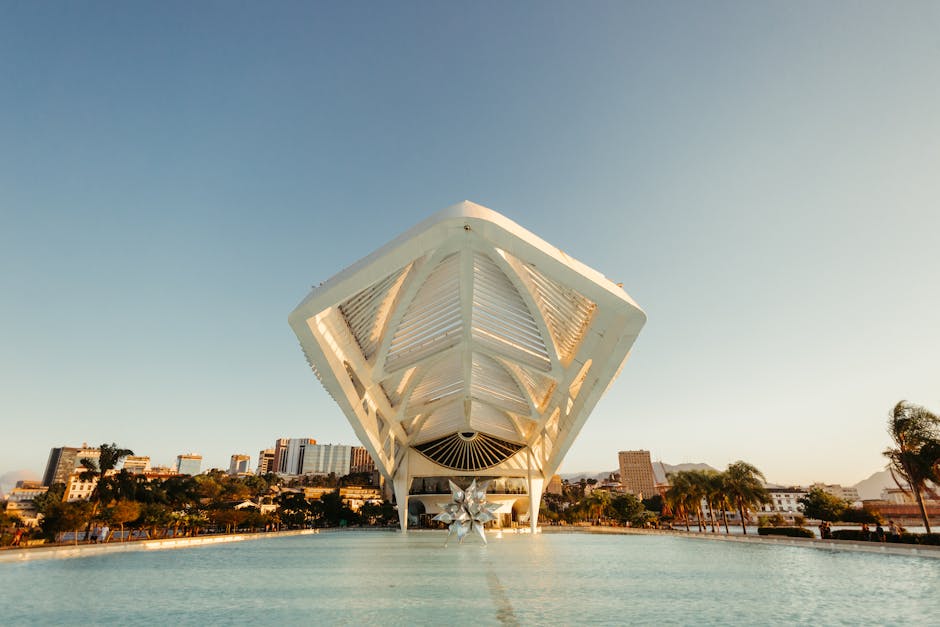
Most futurist architecture remains trapped in the digital render—a polished, impossible dream of floating glass and self-sustaining mega-structures. For the developer or the visionary leader, the friction between concept and concrete is not a mere technical hurdle; it is the fundamental test of operational viability. Bridging the gap between a provocative design language and the unforgiving reality of strategic execution requires a departure from speculative fantasy toward hard-nosed systems architecture.
The Burden of Interoperability
Futurist designs often ignore the legacy systems of the modern city. An architectural concept that requires a completely new power grid or autonomous transit ecosystem assumes a vacuum that does not exist. Leaders must view buildings not as static monuments, but as nodes within a larger, messy network. The primary challenge is not the geometry of the building, but the operational complexity of integrating high-performance materials and AI-driven utility management into existing municipal frameworks. Without a clear pathway for integration, radical design is merely decorative.
Scaling the Improbable
High-performance thinking dictates that if a design cannot be mass-produced or maintained without a bespoke miracle, it is a failed concept. The most persistent challenge in futurism is the translation of craft-based innovation into scalable systems. Whether you are scaling an organizational structure or a physical structure, the same decision-making principles apply: prioritize modularity over monolithic fragility. Projects that fail to account for the supply chain of the next decade are destined to become expensive derelicts of the previous one.
Human-Centric Optimization
Architecture that prioritizes form over human function invariably collapses under the weight of its own ego. True futurism must account for the cognitive and physiological needs of its inhabitants. As we move toward more automated environments, the role of the leader is to ensure that technology serves as a foundation for performance, not a barrier to it. This requires advanced mindset shifts—moving away from the ‘smart city’ buzzword toward environments that exhibit genuine resilience and human-scale utility.
The Institutional Anchor
Advancing architectural innovation requires institutional stability. The BossMind network emphasizes that vision without discipline produces noise. To see a futuristic project through to fruition, one must master the art of resource allocation and stakeholder alignment. The architect of the future is as much a project manager as a visionary; they are the people who can translate abstract trends into tangible value. The future of the built environment will not be won by those with the wildest renders, but by those with the most robust systems for delivery.



Leave a Reply